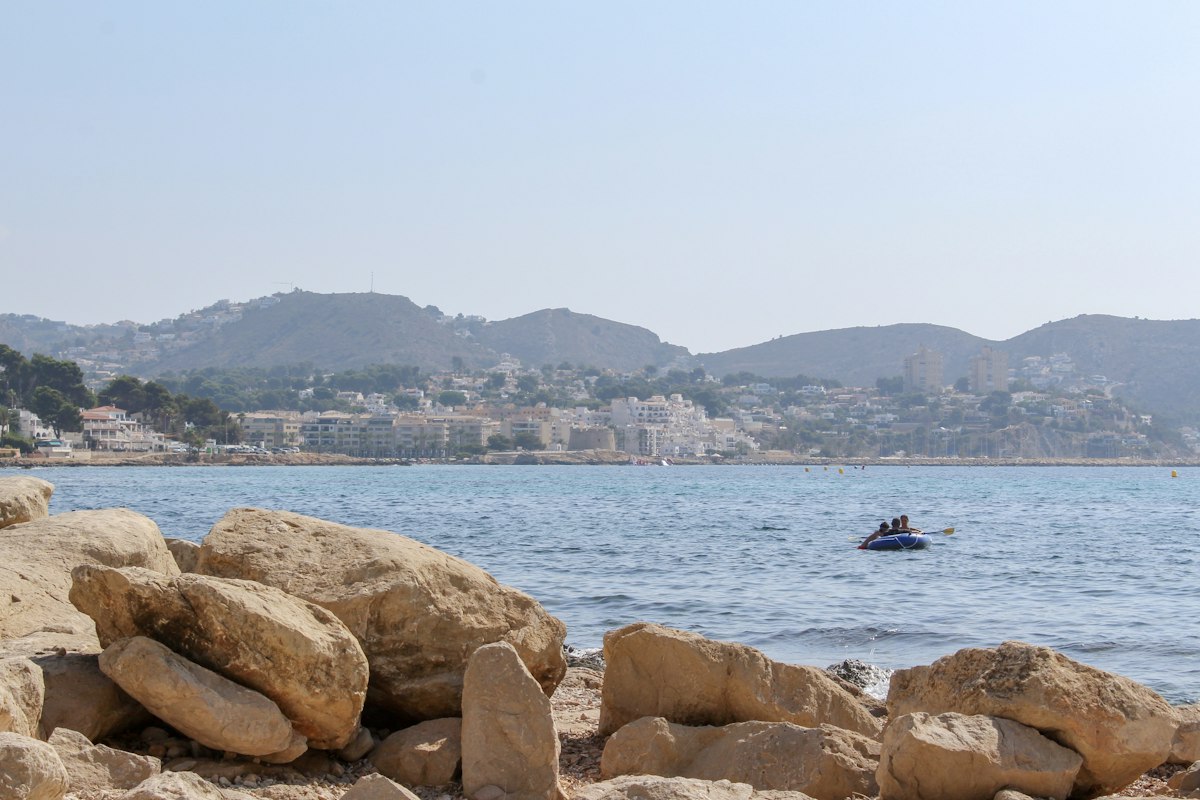
Moraira is a small town that has done something most Costa Blanca resorts have failed to do: kept its planning discipline. No high-rises. No all-inclusive hotels dominating the seafront. No coach-party infrastructure. The result is a clean, low-rise resort of around 10,000 permanent residents that consistently attracts buyers from the UK, Belgium, the Netherlands, and Germany who are willing to pay more — and who often find they get what they pay for.
That premium is real. Price per square metre in Moraira runs well above most of the Costa Blanca south. But when you understand what drives it — scarcity, planning restrictions, the quality of the buyer pool, and the genuine beauty of the northern coastline — it starts to look less like an overpriced market and more like one with structural reasons to hold its value.
This guide gives you the numbers, the areas, and the honest realities of buying here in 2026.
Is Moraira a Good Place to Buy Property?
Yes — if your expectations are calibrated correctly. Moraira is not a place where you'll find bargains or large volumes of stock. It's a place where limited supply, strong repeat buyer demand, and strict planning controls create a market that is expensive by Costa Blanca standards and relatively stable as a result.
If you're looking for volume, variety, or entry-level pricing, look at Torrevieja, Alicante, or further south on our Costa Blanca property guide. If you want quality over quantity — a well-made villa or apartment in a town that has deliberately protected its character — Moraira consistently delivers for buyers who can afford it.
The caveat is access. Moraira sits 90km north of Alicante airport — a drive of around 1 hour 10 minutes in normal traffic. That's at the far end of the practical range for a weekend bolt-hole. It's worth weighing carefully before you commit.
What Moraira Does Differently
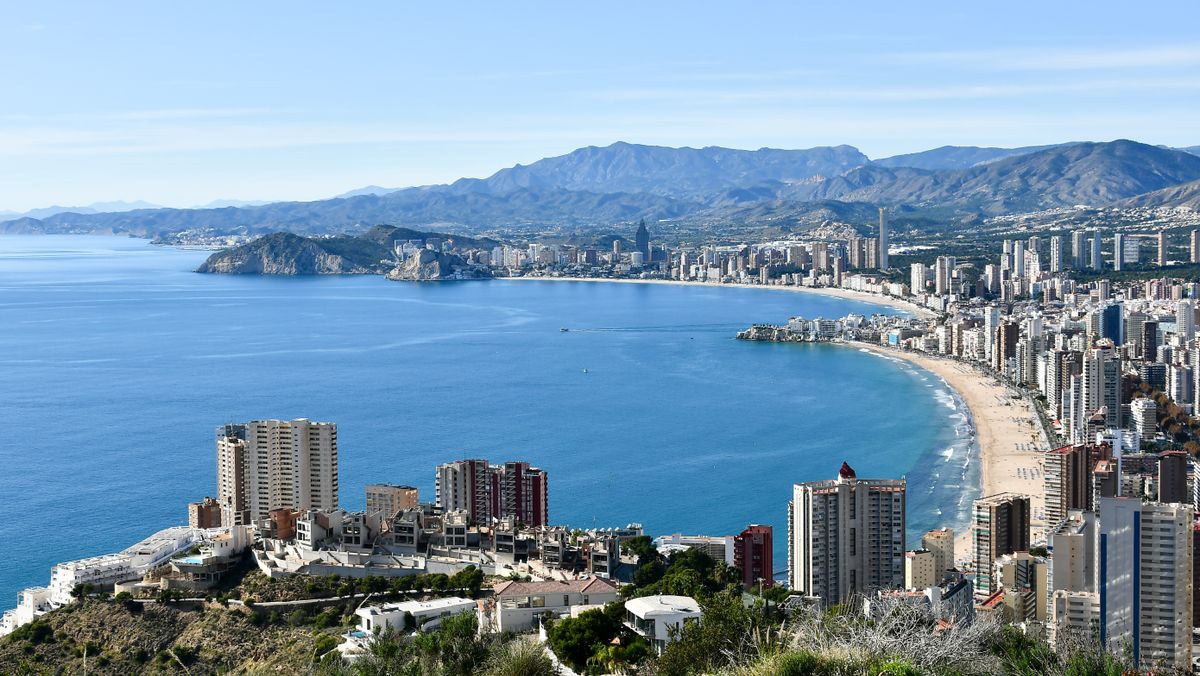
Most Costa Blanca resorts grew fast in the 1970s and 1980s with little planning discipline. The results are visible: tower blocks on the seafront, chaotic urban layouts, towns that feel built for summer throughput rather than year-round living. Moraira went a different direction.
Height restrictions are enforced. The seafront and residential areas are predominantly two and three storeys. You won't find the 15-storey blocks that define large sections of Benidorm or Torrevieja. That restriction does two things: it protects the views for existing properties and it permanently caps the supply of accommodation, which keeps prices from being competed down by an endless supply of new units.
The marina is a functioning yacht harbour, not a tourist backdrop. It anchors the town's identity as a genuine boating community, which attracts a different type of buyer than the beach-package market. The permanent expat community is relatively affluent and well-established — property services, quality restaurants, and English-speaking infrastructure are all functional year-round.
Planning restrictions also protect a significant stretch of natural coastline. The rocky coves and headlands around Moraira haven't been built out. That natural environment — combined with excellent water quality — is part of what justifies the price point.
Property Types and Price Ranges
Moraira's market skews toward detached and semi-detached villas, with apartments concentrated in the town centre and marina area. New build activity exists but is limited by available land — the majority of the market is resale.
El Portet: €4,500–€8,000/m². The most exclusive address in Moraira — frontline properties on this small rocky cove trade at the top of the regional market.
Moraira town / marina: €3,000–€5,000/m². Apartments and townhouses in the commercial heart of the town. The most liquid part of the market.
L'Andrago / Cala Andrago: €3,000–€5,500/m². A low-density residential zone on the southern headland with good sea views.
Benitachell / Coves Roges: €2,200–€3,500/m². Hillside urbanisation above dramatic coastal cliffs, inland from the sea but with spectacular views.
Cumbre del Sol: €2,000–€3,200/m². Large private urbanisation straddling the Benitachell border, with its own beach access at Cala del Moraig.
Teulada (inland village, 5km): €1,800–€2,800/m². The most affordable entry point into the Moraira area, with Spanish village character rather than resort infrastructure.
As a rough guide: apartments start from around €220,000, entry-level villas from €400,000, and El Portet front-line villas range from €800,000 to €2,500,000+ depending on position and build quality.
Remember to budget 10–13% on top of the purchase price for taxes, legal fees, and notary costs — see our full guide to buying costs in Spain for the breakdown.
The Best Areas to Buy
El Portet
El Portet is Moraira's most prestigious address by some distance. It's a small rocky cove sitting just south of the marina, enclosed by headlands on both sides, with a handful of apartments and villas that enjoy direct sea access and exceptional privacy.
Stock is extremely limited. You are not going to browse twenty options in El Portet — you'll be waiting for the right property to come to market. When it does, expect to pay €400,000 to €2,500,000+, with front-line positions toward the upper end and beyond. The appeal is simple: you cannot build more El Portet. Planning restrictions, geography, and the existing built environment make this one of the most supply-constrained micro-markets on the Costa Blanca.
Buyers here are typically purchasing scarcity as much as bricks and mortar. If you can afford it and you want Moraira's best address, it holds its value well through cycles precisely because supply can't respond to demand.
Moraira Town and Marina
Moraira town is the commercial and social centre — where the restaurants, the yacht harbour, the small shops, and the weekday life of the town concentrate. It's more accessible than El Portet and has a broader mix of property: apartments above shops, townhouses on residential streets, modern complexes with pool and parking within walking distance of the water.
Prices run €220,000 to €500,000 for most apartments and townhouses. A two-bedroom apartment in a decent complex with pool and garage will typically sit in the €280,000–€400,000 range depending on floor, condition, and proximity to the marina.
The marina area has the best year-round rental credentials in Moraira — the town functions through the shoulder season and attracts the kind of boating and sailing clientele who book early and pay well. If rental income is part of your calculation, this is the most bankable zone.
L'Andrago and Cala Andrago
L'Andrago is a low-density residential zone on the southern headland of Moraira, between the town and the Javea municipality. It's quieter than the marina area, predominantly villas and apartments with sea views, and appeals to buyers who want the Moraira quality of environment without the marina premium.
The Cala Andrago is a small rocky beach at the base of the headland — accessible but not a swimming beach in the same sense as El Portet. The appeal here is the views, the low density, and the relative tranquillity.
Properties range from €260,000 for an older apartment to €700,000 for a detached villa with pool and sea views. The sweet spot for most buyers is €400,000–€600,000 for a well-positioned villa that offers the Moraira lifestyle without El Portet pricing.
Benitachell and Coves Roges
Benitachell is a municipality in its own right, though it sits adjacent to Moraira and most buyers consider it part of the same market. The Coves Roges urbanisation — named for the red limestone cliffs that characterise this stretch of coast — sits on elevated ground above dramatic sea cliffs. There's no beach access from here, but the cliff-top views are extraordinary, and infinity pools overlooking the Mediterranean are a defining feature of this neighbourhood.
This area attracts the buyer who has made a deliberate choice: the view over the beach. Rather than paying for front-line access, you're paying for panorama. Properties tend to be detached villas with private pools, modern architecture, and outdoor living spaces oriented toward the sea.
Prices run €400,000 to €1,200,000 depending on build quality and position. More modern or recently renovated properties with premium finishes and exceptional views command €700,000+. It's a different proposition from El Portet — less exclusive but arguably more dramatic — and worth considering if the view matters more to you than direct water access.
Cumbre del Sol
Cumbre del Sol is the largest urbanisation in this part of the coast — a substantial private development straddling the municipal border between Benitachell and Moraira. It's self-contained in a way the other areas aren't: communal gardens, security, and access to Cala del Moraig, a small beach at the bottom of the urbanisation that's accessible to residents.
The scale of Cumbre del Sol means more stock, more variety, and more liquidity than the smaller zones. You can find townhouses and apartments from €300,000, villas with pool and sea views from €500,000, and top-of-market properties reaching €1,500,000 for premium positions with exceptional finishes.
It suits buyers who want the wider Moraira area environment but prefer the security and community feel of a managed urbanisation. The trade-off is that it's larger and more development-like than the boutique areas of Moraira town or L'Andrago — some buyers find that appealing, others prefer something more organic.
What Your Budget Actually Buys
At €300,000: You're looking at a two-bedroom apartment in Moraira town or the marina area — probably a resale property in a mid-range complex with pool and parking, within walking distance of the seafront. Alternatively, this budget gets you an entry-level townhouse in Cumbre del Sol. You won't find a detached villa with pool in Moraira itself at this level.
At €500,000: Options expand meaningfully. A detached villa in the Teulada area (5km inland) with pool and good outdoor space. A quality apartment in El Portet or a lower-floor apartment with sea views in L'Andrago. A mid-range villa in Cumbre del Sol. You're now firmly in the Moraira market — not at the prestige end, but you're buying what the area is known for.
At €800,000+: This is where Moraira's best product lives. A villa with pool, sea views, and quality finishes in Benitachell above Coves Roges. A front-line or near front-line property in El Portet. The upper end of Cumbre del Sol. At €1,000,000+, the shortlist becomes genuinely premium — modern architecture, exceptional views, and the kind of finish that justifies the Costa Blanca's highest per-metre prices.
Rental Potential — Realistic Numbers
Moraira operates at the higher end of the Costa Blanca rental market by clientele and nightly rate, though volumes are lower than the mass-market resort areas to the south.
Villas: Peak-season weekly rates for a well-presented villa with pool typically run €2,500–€6,000 per week, depending on size, position, and finish. A quality 4-bedroom villa with sea views can command the higher end in July and August.
Apartments: Near the marina, expect €700–€1,500 per week in peak season for a two-bedroom. Well-located apartments with terrace and pool access rent easily through July and August; shoulder season demand is softer.
Gross yields typically run 4–6% for quality Moraira properties when properly managed and marketed. That's respectable but not exceptional — this is not a high-yield market. Buyers come here for quality of ownership and capital preservation, not yield maximisation.
One important compliance note: Moraira is in the Comunidad Valenciana, not Andalucía. Tourist licence rules are set by Valenciana regulations. Since 2024, the rules have tightened — community (homeowners' association) approval is now required before a tourist licence can be granted, and many communities are voting against. Before purchasing any property with rental intentions, verify the tourist licence status and community stance. Our guide to renting out property in Spain covers the process in detail.
The Honest Downsides
Distance from the airport is real. At 90km from Alicante — 1 hour 10 minutes in normal conditions, longer in summer traffic on the AP-7 — Moraira is at the outer limit of what works as a short-break destination. A delay at the airport can turn a Friday evening arrival into a late-night one. If you're planning to fly out every few weeks, factor the journey seriously. Some buyers use Valencia airport instead (around 1 hour), which gives a useful alternative.
Very limited stock. This is the market's most consistent frustration. When you're ready to buy, the property you want may simply not be available. Moraira's market doesn't have the volume of Alicante or the Costa del Sol — you may need to wait, or compromise on location or specification. Work with a local agent who has good off-market access.
Winter is quiet. The permanent population is small, and a meaningful portion of the expat community leaves after October. Many restaurants and shops reduce hours or close entirely from November to March. If you're planning to use the property year-round, this is worth understanding. It's not unpleasant — the climate remains mild — but it's not buzzing either.
Prices have risen substantially. Since 2020, Moraira has seen significant price appreciation driven by northern European demand and limited supply. Buyers who found value here five years ago are now looking at a noticeably more expensive market. Whether the current pricing represents good value for long-term ownership is a reasonable question — the structural reasons for the premium remain valid, but the entry point is higher than it was.
A car is not optional. Moraira has no train. Bus connections are limited. To use this town effectively — shopping, beach-hopping along the coast, day trips — you need a car. That's true for most of the Costa Blanca but worth stating explicitly.
Moraira vs Javea — Choosing Between Them
Javea (Xàbia in Valencian) is the most common alternative buyers consider when looking at Moraira. They're around 12km apart, target a similar demographic, and share the Costa Blanca Norte's reputation for planning discipline and natural beauty.
The differences are meaningful:
Javea is larger — a population of around 35,000 compared to Moraira's 10,000. That means more amenities, more restaurants open year-round, better everyday services, and considerably more stock when you're buying. Javea has three distinct areas (the old town, the port, and the beach) versus Moraira's more concentrated footprint.
Javea prices slightly lower in most comparable zones — you'll typically find 10–20% more property for the same budget, though the gap narrows for front-line positions. If budget is a constraint, Javea tends to offer more options at a given price point.
Moraira is smaller and more boutique. That's genuinely a matter of preference. Some buyers find Javea's scale more comfortable; others prefer Moraira's concentrated character and the fact that everything is within a short walk. Moraira's marina is arguably more central to the town's identity than Javea's port — the layout feels more unified.
Planning discipline is similarly strong in both. Neither has the tower-block problems of the Costa Blanca south. Both attract quality buyers and have established expat communities.
If you want more amenities, more stock, and slightly lower prices: look at Javea first. If you want boutique scale, maximum planning protection, and don't mind the premium or the more limited stock: Moraira. Many buyers look at both before deciding.
Final Verdict
Moraira is one of the few places on the Spanish coast where the premium is structurally justified. The height restrictions aren't going away. The natural coastline can't be built on. The supply of quality properties in the best zones is genuinely limited. When those factors combine with a well-heeled buyer pool and consistent northern European demand, you get a market that holds its value and doesn't crater in the off-season.
The entry cost is real. The distance from the airport is real. The winter quiet is real. These aren't reasons to avoid Moraira — they're reasons to make sure it's the right fit before you buy. The buyers who are happiest here are the ones who have thought through what they want from a Spanish property: not a resort, not a city, not a package holiday extended indefinitely, but a quality retreat in one of the best-planned towns on the Costa Blanca.
If that's what you're after, Moraira delivers it consistently.
---
Practical next steps:
- Get your NIE number sorted early — it's required for the purchase and takes time. Our NIE number guide explains the process.
- Understand the full cost of purchase before you set a budget — see buying costs in Spain.
- If you're considering a mortgage, read our Spanish mortgage guide for non-residents — lending criteria differ significantly from the UK.
- For the full process from search to completion, our guide to buying property in Spain covers every stage.
Ready to find your property in Spain?
Browse thousands of verified listings from licensed local agents.
Browse properties →