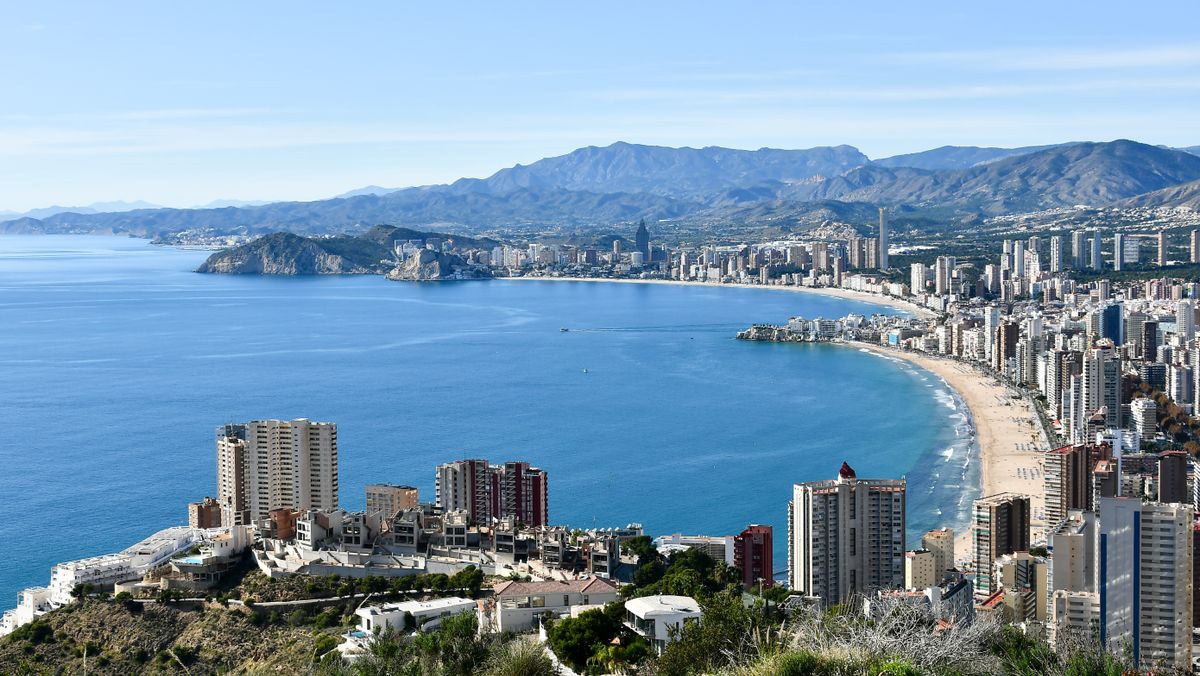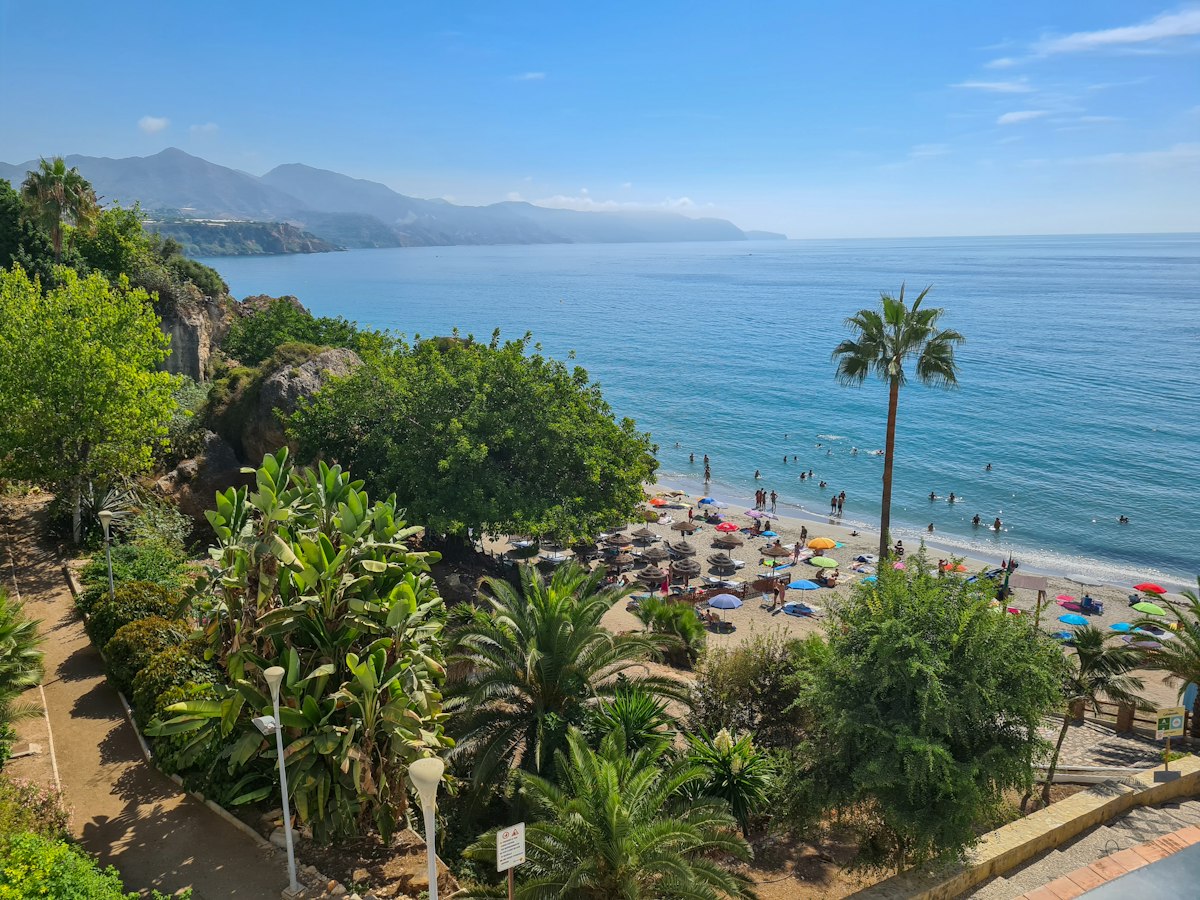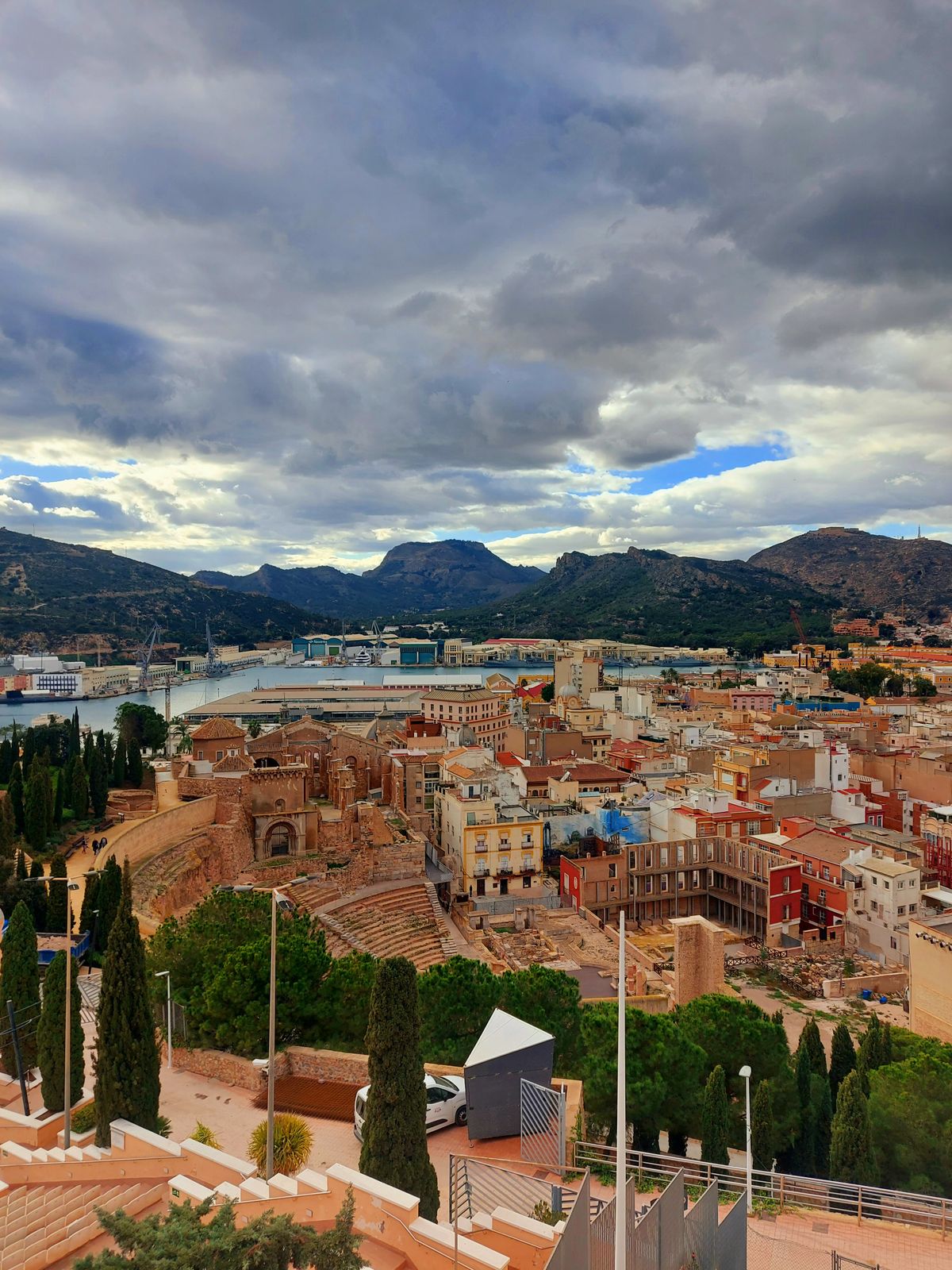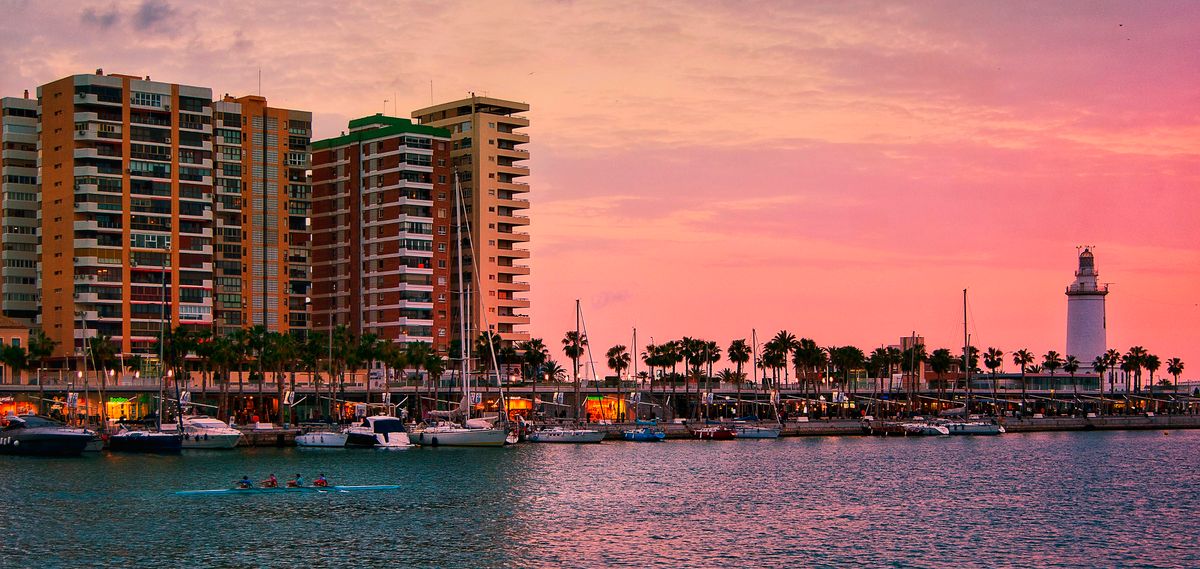
Cabo de Palos sits at the southern tip of La Manga strip, where the 21km sandbar meets the open Mediterranean, and it's a completely different proposition from the resort apartments just a few kilometres north. This is a fishing village. It has a lighthouse that's been operating since 1865. The water around it is a marine reserve — arguably the best diving in mainland Spain.
And the property market here is defined by one thing above everything else: scarcity. There isn't much. What there is doesn't come up often. When it does, it goes.
This guide covers why Cabo de Palos works, what you pay, and who actually buys here.
What Cabo de Palos Is
The village itself is small — a few hundred permanent residents, a cluster of restaurants and bars around the harbour, and the lighthouse promontory at the point. In summer it fills up considerably, but it never becomes the heaving resort that the main La Manga strip gets. The character is genuinely different.
The critical asset is underwater. The Cabo de Palos-Islas Hormigas Marine Reserve extends around the cape and the small islands offshore. The reefs here — particularly around the Isla Mayor de las Hormigas — are among the most biodiverse in the western Mediterranean. Barracuda, grouper, sea fans, sea horses, octopus. Dive visibility regularly exceeds 20 metres. Spanish divers travel from across the country to dive here. Internationally, it's increasingly on the radar.
This matters for property buyers not because they're necessarily divers, but because a recognised natural asset of this quality protects the area from the mass-market development that has consumed other parts of the Costa Cálida. The marine reserve status limits what can be built in and around it. That's a structural supply constraint that underpins values.
La Manga South: The Transition Zone
Between the main La Manga strip and Cabo de Palos sits what buyers sometimes call La Manga South — the southern stretches of the strip where the apartment density thins out and the landscape opens up toward the cape.
The character here is between the two zones. Less dense than the main strip, with more ground-floor apartments and smaller complexes, but not yet the village character of Cabo de Palos itself. For buyers who want more space and a quieter position than the main strip while remaining close to La Manga's infrastructure, this transition zone is worth attention.
Prices in La Manga South sit between the main strip and the premium of the cape itself: two-bedroom apartments €120,000–€180,000. The further south you go toward the cape, the fewer properties there are and the higher the prices.
See our La Manga del Mar Menor guide for the full strip context.
Property Prices at Cabo de Palos
The Cabo de Palos market is small. This isn't a place where you'll find 50 listings to scroll through — at any given time, there might be a dozen or fewer genuine Cabo de Palos properties available from credible vendors.
Apartments in the village and immediate surrounds: €150,000–€250,000 for a two-bedroom. Proximity to the harbour, sea views, and condition drive the variation. Older stock in good condition starts around €150,000; renovated apartments with terraces and water views push to €220,000–€250,000.
Townhouses: Rare. When they appear, expect €200,000–€320,000 depending on size and specification. Private outdoor space is a genuine premium here because there's so little of it.
Detached houses and villas near the cape: The most sought-after category and the scarcest. A detached property with a garden and sea views in or immediately around Cabo de Palos: €280,000–€400,000+. At the top of the range you're getting lighthouse-view positions and significant sea frontage that almost never changes hands.
The honest characterisation is this: Cabo de Palos is not where you go to find a bargain. It's where you go when you want something specific — character, quality, marine reserve access, and the confidence that comes with genuine supply scarcity. The buyers who try to negotiate hard here often walk away empty-handed.
Why Scarcity Is the Story
The property market dynamics here are worth understanding properly.
Planning constraints around the marine reserve and the cape itself limit new development significantly. Unlike inland Murcia where new golf resort communities are being built, or Puerto de Mazarrón where new apartment complexes are coming to market, Cabo de Palos is essentially built out. New supply is minimal.
This creates a market where resale properties hold value well. During the broader Spanish property market downturn of 2011–2015, Cabo de Palos fell less than other Costa Cálida locations. During the recovery, it outperformed. This is the textbook dynamic of a constrained, desirable location — and it's why buyers with capital preservation in mind look here rather than at the more liquid but more volatile main strip.
The flip side: liquidity is lower. If you need to sell quickly, a niche market is harder than a mainstream one. Cabo de Palos rewards patient buyers and patient vendors. This is not a trading market — it's a hold market.
Short-Term Rental: The Opportunity and the Complication
Cabo de Palos has strong short-term rental potential, particularly targeting the diving community. Divers book accommodation close to the reserve rather than in the main La Manga strip — the walk to the dive centres matters. A well-positioned apartment with good outdoor space in Cabo de Palos can command premium nightly rates from specialist divers who aren't price-sensitive in the same way as mass-market beach tourists.
But: planning and licensing is complicated here. Murcia's Vivienda Turística licence regime applies, and in some buildings and complexes, community rules restrict short-term letting. Before buying with rental income in mind, check both the regional licence requirements and the community statutes of the specific building. Don't assume it's straightforward.
The best rental opportunities in Cabo de Palos are standalone houses and ground-floor apartments with private outdoor space — products that offer something the average La Manga strip apartment can't. These are also the hardest to find and the most expensive. Budget for it.
See our renting out property in Spain guide for the full licensing picture.
The Diving Culture: What It Adds
Beyond the property investment case, the marine reserve shapes the social life of Cabo de Palos in ways that affect everyday experience of owning here.
The village has several established dive centres. On summer mornings, the harbour area fills with divers preparing kit. The restaurants do a roaring trade at lunch with wet-suited clientele. There's a particular kind of international, outdoors-focused crowd who comes here — different from the package-tourist demographic that fills mainstream resort towns.
Even if you're not a diver, this cultural context matters. The crowd it draws tends to be engaged with the natural environment, spending money locally, and treating the area with the respect you'd associate with a marine reserve. For property owners, neighbours who value what makes the area special tend to be better neighbours than those who don't.
Getting There
Murcia International Airport (Corvera) is approximately 45–50 minutes from Cabo de Palos. Alicante is around 90 minutes north. The road infrastructure is good — the RM-12 connects Cabo de Palos to the main coastal road. In high summer, the final stretch from La Manga strip to the cape can back up; if you're using the property heavily in July–August, factor this in.
There is no train. A car is not optional here.
Who Buys in Cabo de Palos
Buyers with a budget of €180,000+ who want to buy less but buy better. The Cabo de Palos buyer has usually looked at the main strip, compared the quality and character, and decided that fewer metres with more interest beats more metres with less.
Divers and watersports enthusiasts for whom the marine reserve is the direct point. Living next to the best diving in Spain is a specific lifestyle choice and people make it deliberately.
Investors who understand scarcity. Not chasing yield from volume tourism but buying in a supply-constrained location where values are structurally supported. Capital preservation as much as income generation.
Buyers looking for character. The lighthouse, the fishing boats, the village restaurants with their sea urchin and grilled fish — Cabo de Palos has an identity. Buyers who've tired of generic resort apartments often end up here.
Not ideal for: buyers on tight budgets, buyers who want a large modern apartment with resort facilities, or buyers who need lots of choice. The inventory here is limited by design.
Buying Costs in Murcia
Buying costs in Murcia run to approximately 10–12% on top of the purchase price. Transfer tax (ITP) is 7.75% — lower than Alicante's 10% — plus notary, registry, and legal fees. See our complete guide to buying costs in Spain for a full regional breakdown.
Bottom Line
Cabo de Palos is a niche market that rewards buyers who understand what they're buying. The marine reserve and the village character are the assets — they're protected, they're scarce, and they're why prices hold up. You'll pay more per square metre than almost anywhere else in the Costa Cálida. In return you get something that doesn't really have a substitute elsewhere in the region.
If your budget runs to €200,000+ and you want something with genuine character rather than generic resort stock, put this on your viewing list. Just don't expect to take your time — the good stuff moves.
---
*Property prices current as of Q2 2026. Always confirm current figures and rental licence requirements with a qualified Spanish abogado. This guide is for informational purposes and does not constitute legal or financial advice.*
---
Looking at the southern end of the Costa Cálida? Search Cabo de Palos and La Manga South properties — or read our La Manga del Mar Menor guide for full context on the strip.
Ready to find your property in Spain?
Browse thousands of verified listings from licensed local agents.
Browse properties →