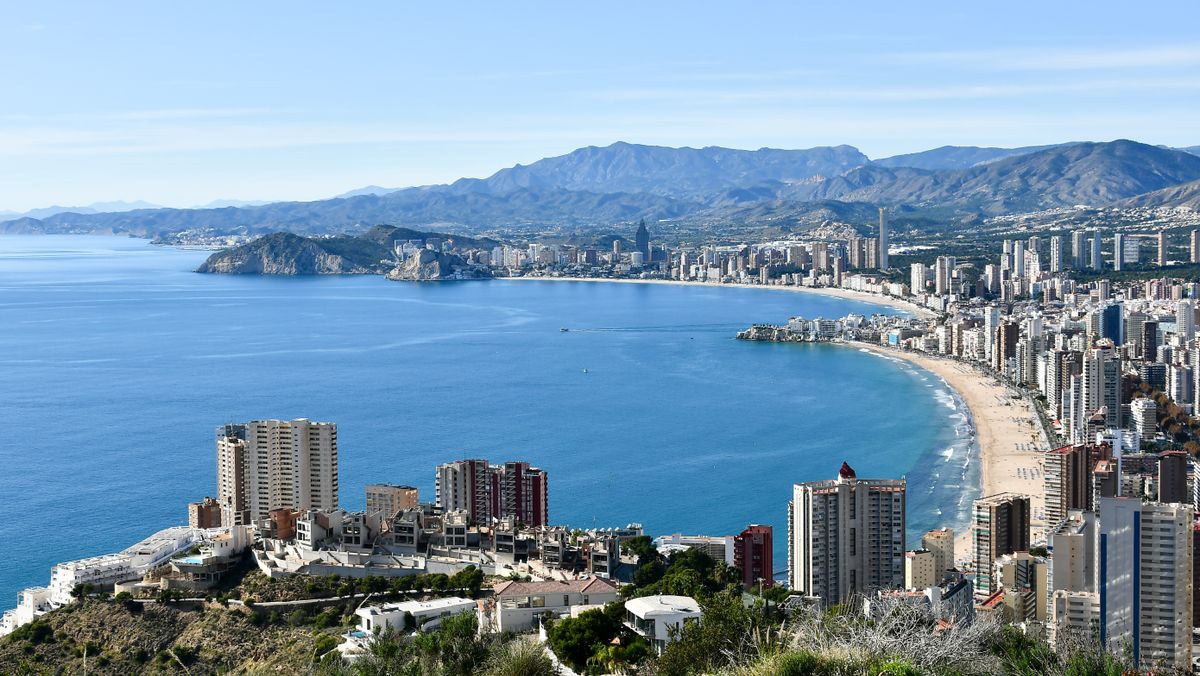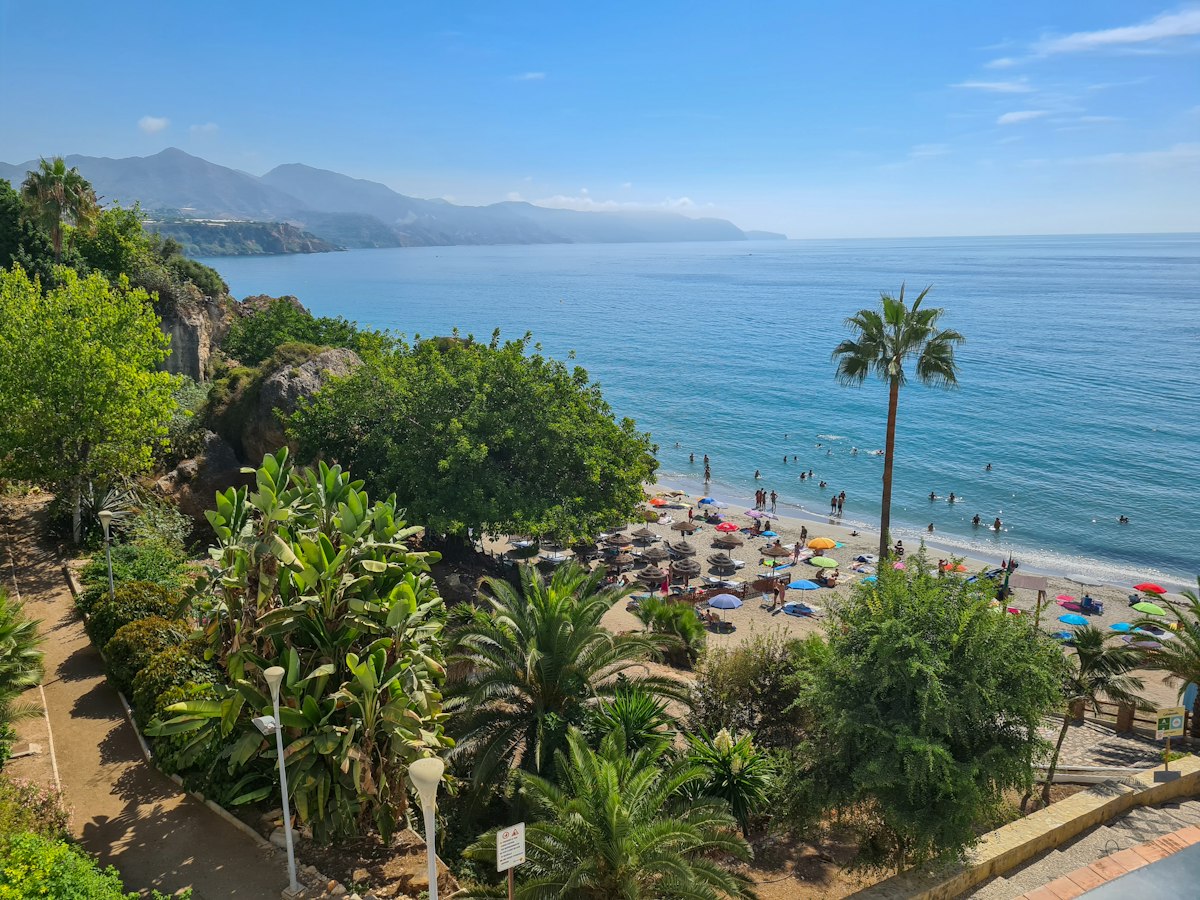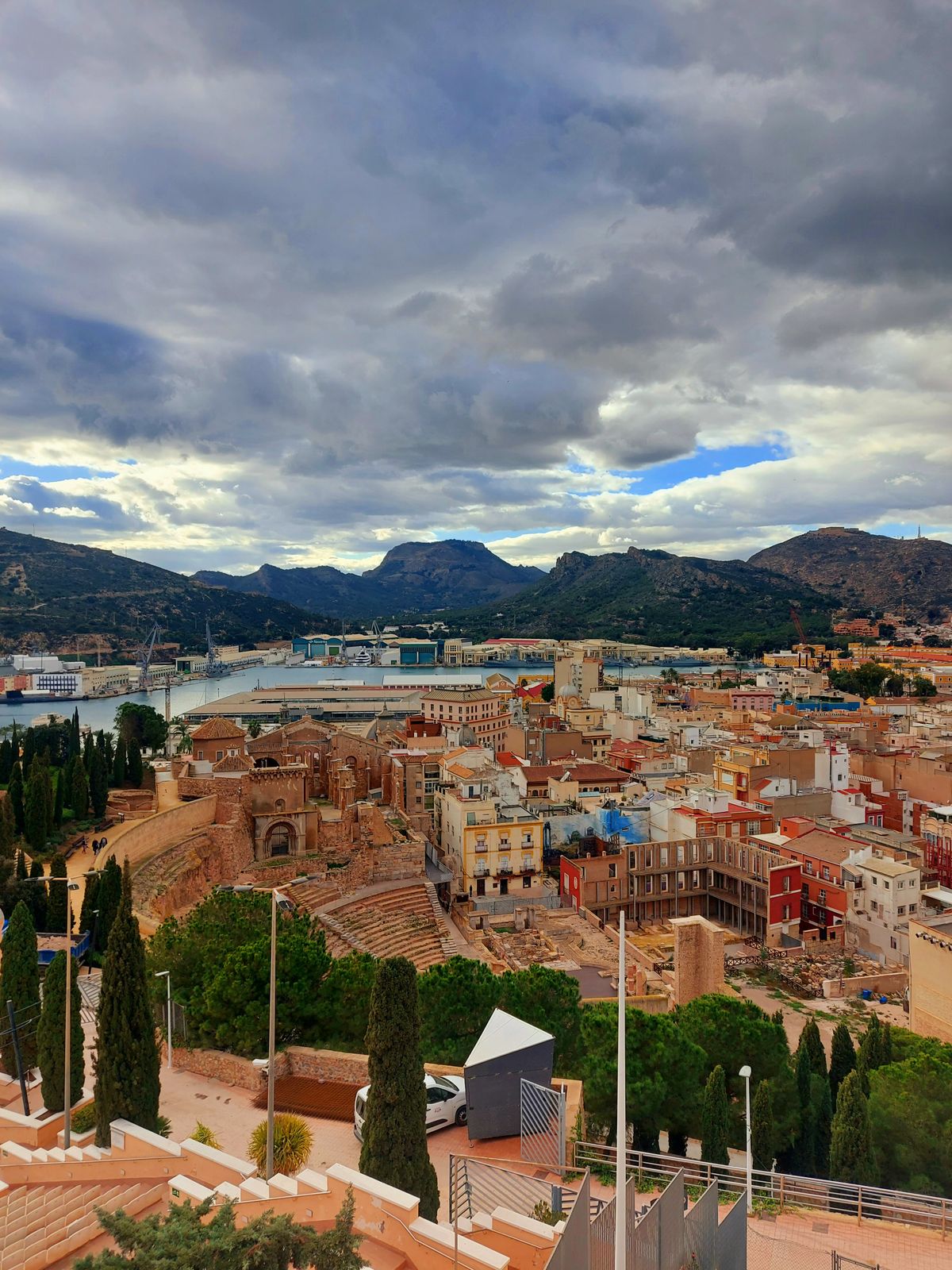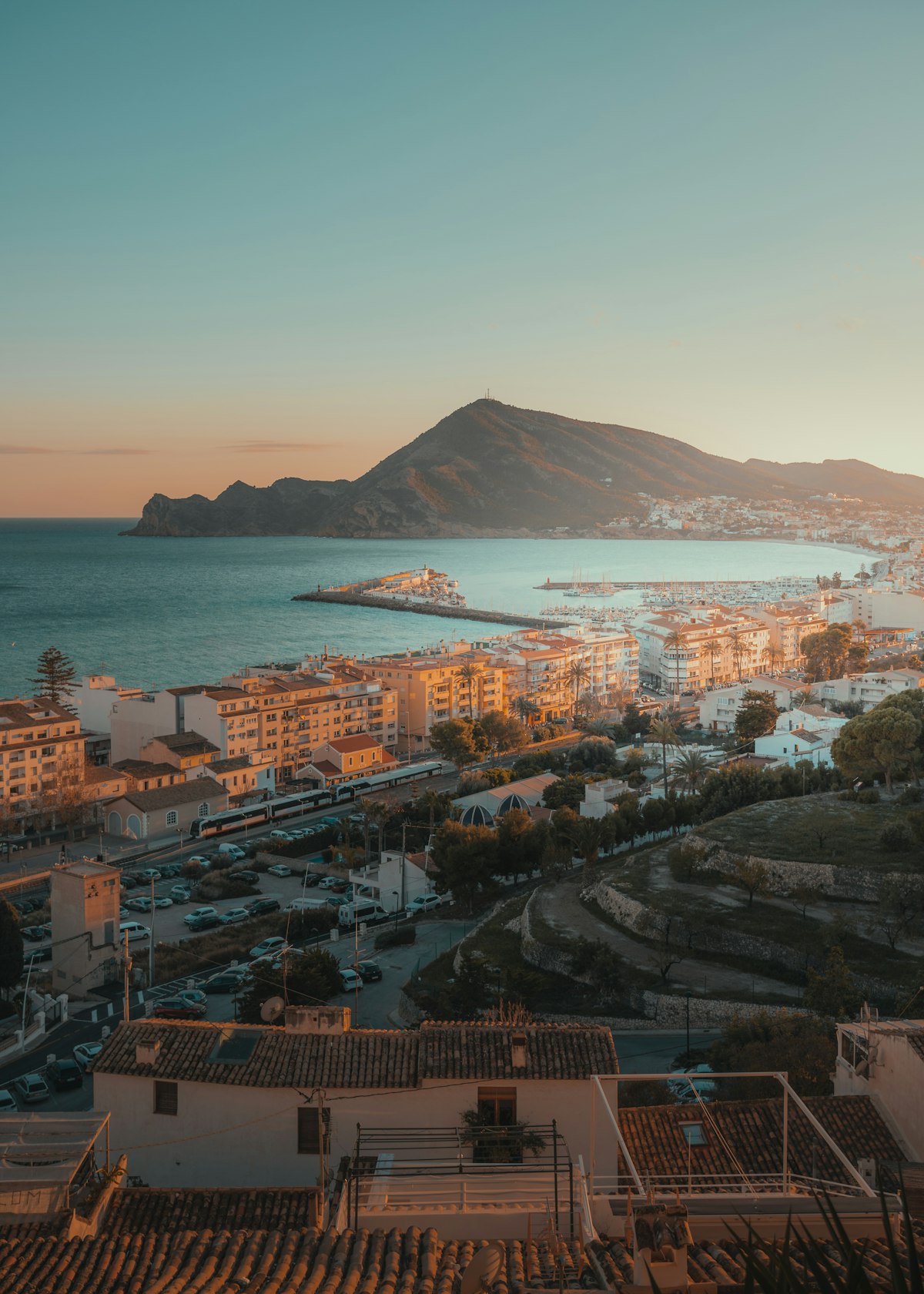
There's a photograph that circulates endlessly on Spanish travel blogs — a cluster of whitewashed houses tumbling down a hillside, a blue-domed church at the top, the Mediterranean glittering below. That's Altea. It's one of the most photographed views in Spain, and the extraordinary thing is that the reality matches the photograph almost exactly.
Altea sits on the northern Costa Blanca, 10km north of Benidorm and about 50 minutes from Alicante airport. Population around 22,000. It has a genuine arts community, a campus of the Universidad Internacional Alfonso X el Sabio, independent galleries, proper Spanish restaurants, and a pebble beach beneath the old town. It is not a resort. It is a town that happens to be beautiful and happens to have a property market that international buyers have quietly discovered.
This guide covers everything a UK buyer needs to know in 2026: realistic prices by area, what different budgets actually buy, honest rental yield numbers, and the genuine downsides that other guides don't mention.
Is Altea a Good Place to Buy Property in Spain?
The short answer: yes, if you're buying for the right reasons.
Altea is not the place to buy if you want maximum short-term rental yields. Benidorm, 10km south, wins that contest by a significant margin. And if you're looking for ultra-prime, lock-it-away-for-decades trophy property, Moraira and Jávea command that market.
What Altea offers is the cultured middle ground — a town with genuine character, a year-round residential community, Spanish upper-middle-class second-home owners alongside international buyers, and a property market that has held value well precisely because the old town cannot be developed and the overall supply of quality stock is constrained.
The case for buying in Altea rests on four pillars. First, scarcity. The Casco Antiguo is a protected historic area. No new development is possible. Old town stock is genuinely limited, which provides a structural floor on prices. Second, quality of life. Altea works year-round. The arts community, restaurants, and local culture mean it doesn't shut down in November like a purely tourist town. Third, price positioning. You pay more than Benidorm, less than Moraira — a rational position for a town that sits between them in every measurable quality metric. Fourth, the view. This sounds like an estate agent line, but in Altea's case the old town panorama is a genuine and rare asset that commands a price premium and retains it.
The case against is also real. We'll cover it honestly.
The Old Town — Spain's Most Photogenic Address?
The Casco Antiguo is the heart of what makes Altea different from every other town on the Costa Blanca. This is not a reconstruction or a tourist-facing heritage zone. It is a genuinely preserved hilltop village of narrow whitewashed cobblestone streets, flowering bougainvillea, small plazas, independent art galleries, and a 17th-century church with the distinctive blue-domed roof that appears in every photograph.
Real artists live and work here. Workshops, studios, and galleries sit alongside family homes. The Spanish upper-middle class has claimed the old town as a second-home destination — Madrid and Valencia families have been buying here for decades. International buyers, predominantly Belgian, Dutch, and increasingly British, have followed.
Property in the old town is almost exclusively old stone houses and apartments converted from historic buildings. Stock turns over rarely. When it does, prices reflect both the rarity and the premium location: €3,000–€5,500/m², putting decent apartments in the €220,000–€400,000 range and restored houses with terraces and views well above €500,000.
The trade-off is practical. The old town has no parking. Streets are too narrow for cars. Steep cobblestones make it genuinely difficult for anyone with mobility issues. Old stone buildings often require significant renovation — what looks charming externally may need rewiring, new plumbing, and damp treatment internally. Budget accordingly, and instruct a surveyor regardless of what the listing says.
For buyers who want something genuinely unique in Spain — a property you'd be proud to own rather than just financially satisfied with — the old town is the purchase that justifies the premium.
Altea Property Prices: What Does Property in Altea Spain Cost?
Altea's property market is more varied than the old town photography suggests.
Apartments range from compact one-bedrooms in lower-lying residential areas to large terraced apartments in Altea Hills with panoramic sea views. The market for apartments is the broadest entry point for most buyers.
Townhouses and semi-detached properties appear across the urbanisations, particularly in Altea Hills, where a mix of attached and detached villas sits within a managed gated community.
Villas dominate the Sierra de Altea residential hillsides — typically two or three storeys, private pool, mature gardens, sea or mountain views depending on orientation. These represent the best value-per-square-metre proposition in the town.
Old town houses are a category unto themselves — renovation projects or restored gems, extremely limited supply, premium prices justified by irreplaceable character.
Price ranges by area (2026):
- Casco Antiguo (Old Town): €3,000–€5,500/m²
- Cap Negret (seafront): €3,500–€6,000/m²
- Altea Hills (gated urbanisation): €3,000–€5,000/m²
- L'Olla / La Roda (beach areas): €2,200–€3,500/m²
- Sierra de Altea (hillside residential): €1,800–€2,800/m²
Best Areas to Buy Property in Altea
Casco Antiguo (Old Town)
Casco Antiguo is the historic hilltop core — the whitewashed village, the blue-domed church, the galleries, the cobblestones. This is Altea's defining neighbourhood and its most exclusive address.
Supply is structurally constrained. Protected historic status means no new development is possible, and the existing building stock turns over slowly. When properties come to market, they attract attention quickly — the combination of genuine scarcity and irreplaceable character keeps demand firm.
Prices range from €220,000 for a compact apartment in good condition to €600,000+ for a restored house with terrace and sea views. The premium over surrounding areas is real and largely justified. Rental demand is strong in summer, with old town properties commanding the highest nightly rates in Altea, though the no-parking and access constraints make short-term rental management more complex than a beachfront apartment.
If you're buying here, instruct an independent architect or surveyor to inspect any property before exchange. Old stone buildings can look immaculate and conceal serious structural or damp issues. The renovation budget on a €300,000 purchase could easily be another €80,000–€150,000 for a full restoration.
Altea Hills
Altea Hills is a private gated urbanisation on the hillside above the town, roughly 2km from the old town and seafront. It's the most internationally known residential development in Altea — a mix of apartments, townhouses, and detached villas within a secured perimeter with communal pools, tennis courts, and 24-hour security.
The buyer base is heavily Belgian and Dutch, with a growing contingent of British and Scandinavian purchasers. The community feel is real — this is not an anonymous complex but an established neighbourhood with long-term owners who know their neighbours.
Views are the primary draw. Many properties in Altea Hills have unobstructed sea views across the bay — the kind of panorama that genuinely affects how you feel about living there. The trade-off is car dependency. Everything requires driving, including the beach.
Prices: apartments from €250,000; townhouses €350,000–€600,000; detached villas €500,000–€1,200,000 at the top end with large plots and best sea views. Community fees vary by property type but budget €150–€400/month for the larger villas.
This is the area that most closely mirrors Moraira's proposition at a slightly lower price point — private, secure, views, quality build — and it works well for buyers who prioritise safety and community over being in the middle of town.
Cap Negret
Cap Negret is the small coastal promontory immediately south of the old town, where Altea's limited seafront apartment market is concentrated. This is the closest Altea gets to the classic Costa Blanca beach apartment proposition — properties within walking distance of the sea, lower-lying than the old town, easier access.
Supply is genuinely limited. The seafront here is not a long strip of apartment towers — it's a compact area with a finite number of properties, and front-line units with sea views command the highest prices in the entire municipality outside the old town itself.
Expect to pay €3,500–€6,000/m² for seafront and near-seafront positions, translating to €300,000–€700,000 for apartments. The rental market here is strong — Cap Negret properties are easier to let than old town houses (better access, parking, modern fittings) and command high summer rates. For buyers whose primary goal is rental income without old town renovation risk, this is the area worth focusing on.
L'Olla / La Roda
L'Olla and La Roda are the beach areas immediately south of the old town and Cap Negret — Altea's more accessible southern flank. The pebble beaches here (all of Altea's beaches are pebble rather than sand) are pleasant, the promenade is well-maintained, and the property mix is a blend of apartments, bungalows, and smaller villas.
Price points are more accessible than the old town or Cap Negret: €2,200–€3,500/m², with apartments from €180,000 and bungalows and small houses in the €250,000–€400,000 range. This is where buyers with a budget under €300,000 will find the best options in Altea — genuine proximity to the water, walkable to the old town, without old-town prices.
The area attracts a mix of Spanish families, northern European retirees, and younger buyers priced out of the old town. It's a liveable, practical part of Altea rather than a prestige address, but the location is objectively good and the price relativity makes it attractive.
Sierra de Altea and Hillside Urbanisations
The residential hillsides behind and above the town — broadly referred to as Sierra de Altea — contain Altea's villa market. Developed over several decades into a patchwork of urbanisations and individual plots, this is where buyers get the most space per euro in the municipality.
Typical properties: two or three-bedroom villas on plots of 600–1,500m², private pools, mature gardens, views of the sea or the mountains depending on orientation and altitude. The quality varies significantly — some urbanisations are well-maintained with tarmacked roads and utility connections; others are more rudimentary.
Prices: €1,800–€2,800/m², with villas typically €300,000–€700,000 depending on plot size, build quality, and view. A €450,000 budget buys a genuinely well-specified villa here with pool and garden — more physical space than the same money would secure in Altea Hills or Cap Negret.
Car is essential. The old town, beach, and shops all require driving. For buyers prioritising privacy, space, and value rather than walkability, this is the most compelling part of Altea's market.
What Your Budget Actually Buys
At €250,000: A one or two-bedroom apartment in L'Olla or La Roda in good condition, or entry-level access to Altea Hills — compact apartment in the complex with shared pool. Realistically comfortable, well-located, genuinely walkable to beach and old town. Not glamorous, but a solid property in a quality town.
At €450,000: The market opens considerably. A quality two or three-bedroom villa in Sierra de Altea with private pool and sea views; a well-presented townhouse or mid-range apartment in Altea Hills; a larger apartment in L'Olla with terrace. This budget buys real comfort in Altea — not compromise, but genuine quality of life.
At €700,000+: Old town houses, premium Altea Hills villas with best sea views, or Cap Negret front-line apartments. At this level you're buying something genuinely special — the kind of property that's difficult to replicate and tends to hold value through market cycles precisely because the supply doesn't expand.
For a complete picture of buying costs on top of these prices — typically 10–14% in taxes, fees, and legal costs — see our guide to buying costs in Spain.
Rental Potential — Realistic Numbers
Altea's rental market is different in character from Benidorm's. This is important to understand before buying with rental income in mind.
Benidorm operates on peak-season volume — enormous occupancy in July and August, reasonable shoulder seasons, strong yield numbers driven by mass tourist demand. Altea's appeal is more year-round and more discerning. The arts community, quality restaurants, and winter sunshine attract a different type of visitor — couples, cultural tourists, longer-stay guests rather than the package-holiday crowd.
The result is summer nightly rates that match or exceed Benidorm's for equivalent properties, but a more consistent spread across the year rather than purely peak-season demand. Gross yields of 4–5% are achievable for well-managed properties in good locations, with old town and Cap Negret properties at the higher end of that range on nightly rates, but complicated by access and management logistics.
The Comunidad Valenciana tourist licence rules apply in full. A licence is required for any short-term rental activity, and in many apartment buildings, community approval is a prerequisite. Check this before buying — your solicitor should confirm the building's position on tourist licences as standard due diligence. See our guide to renting out property in Spain for the full process.
Old town properties command the highest nightly rates in Altea — often €150–€300/night in peak summer for a restored house with views. But the no-parking situation, steep access, and building management requirements make short-term rental there more operationally demanding than a modern apartment complex. Factor in professional management costs if you're not local.
Downsides of Buying Property in Altea: What to Know First
Every area guide should have this section. Here's what Altea doesn't do well, or what catches buyers off guard.
The beach is pebble, not sand. Every beach in Altea is pebble. If you've built a mental picture of classic Mediterranean sandy beach, Altea will disappoint. The beaches are pleasant, the water is clear, and locals manage perfectly well with mats and water shoes — but it's not the same as Guardamar or Alicante's sand beaches. If sand is a requirement, this is not your town.
The old town is not accessible. No parking, steep cobblestones, uneven surfaces throughout. For buyers with any mobility issues, or for those who assumed "beautiful old town" means "easy to navigate," this is a significant practical limitation. Even fit buyers should walk the streets before buying there — it's genuinely steep.
Alicante airport is 50 minutes away. Fine for occasional visits, but not as close as Benidorm's catchment. Easy to underestimate when you're doing the initial scouting trip. Budget realistically for flights, transfers, and the friction of a longer airport run if you're flying in regularly.
Old stone buildings often need renovation. Properties in the Casco Antiguo frequently present beautifully in listings and conceal damp, outdated electrics, poor insulation, and structural work. The purchase price is not the total cost. A surveyor is not optional in the old town — it's essential.
It's not cheap. Altea prices are premium for the Costa Blanca. Buyers comparing to Torrevieja or Guardamar will be shocked by the per-square-metre numbers. That premium is justified by scarcity and quality, but the entry cost is real and it's important to go in clear-eyed.
Altea Property for Sale vs Benidorm and Moraira: Where Does Altea Sit?
Understanding Altea means understanding where it sits in the northern Costa Blanca hierarchy.
Benidorm, 10km south, is the budget, tourist, high-volume end of the market. Entry-level apartment prices are meaningfully lower. Rental yields are higher in absolute terms due to mass tourist demand. The trade-off is the resort environment — genuinely lively and well-amenitised, but not a town that prioritises character or calm. Benidorm buyers know what they're buying into.
Moraira, 25km north, is where the northern Costa Blanca goes upmarket. More exclusive, quieter, predominantly villa market, higher average prices, a strong northern European buyer base (particularly Belgian). The vibe is genteel retirement rather than animated town life.
Altea sits precisely between them in price, character, and atmosphere. More cultured than Benidorm, more animated than Moraira. More affordable than Moraira, more characterful than Benidorm. The arts community, restaurant quality, and old town give it a genuine identity that neither neighbour can replicate. For buyers who find Benidorm too resort-heavy and Moraira too quiet, Altea is the answer.
For broader context across the region, our Costa Blanca property guide covers the full stretch from Denia to Torrevieja.
Getting Ready to Buy Altea Property
Before you make an offer in Altea, the administrative groundwork matters. You'll need an NIE number (Spain's tax identification number for foreigners) before any purchase can complete — our guide to getting your NIE number in Spain covers the process. Financing? Our Spanish mortgage guide for non-residents explains what lenders offer, typical LTV ratios, and how the application process works for UK buyers. And for the full purchase process from offer to completion, the buying property in Spain guide is the place to start.
To see all Altea villas and apartments alongside the rest of the province, browse villas for sale in Alicante and apartments for sale in Alicante. For close neighbours on the northern Costa Blanca, compare with the Dénia property guide and Jávea property guide.
Final Verdict
Altea is one of the genuinely special places on the Costa Blanca — not in a marketing sense, but in the concrete sense that it has something most towns don't: a protected, beautiful, living historic core that cannot be replicated and cannot expand.
That scarcity has a price. Altea is not where you go to find the cheapest Costa Blanca deal, and it's not where you go for the highest short-term rental yields. It's where you go if you want a town with real character, year-round quality of life, a property market that has structural reasons to hold value, and the daily experience of living somewhere that's genuinely beautiful rather than merely convenient.
For UK buyers who've done the research — who understand the pebble beaches, the parking realities of the old town, the 50-minute airport run — Altea makes a compelling and defensible case. It's the kind of purchase you make because you love the place, and then find that the financials stack up too.
That combination is rarer than most area guides will admit.
Frequently Asked Questions
Q: Is Altea a good place to buy property?
Yes, for buyers who want genuine character rather than maximum rental yield. Altea's protected old town provides structural price support — new supply cannot be added — and the town works year-round in a way that purely tourist-oriented Costa Blanca towns do not. The trade-off: it is a premium market, pebble beaches not sand, and the old town requires realistic renovation budgets.
Q: What is the average property price in Altea Spain?
In 2026, prices range from around €1,800/m² in the Sierra de Altea hillside urbanisations to €6,000/m² for Cap Negret seafront apartments. Entry-level apartments in L'Olla start from €180,000. A restored old town house with terrace costs €400,000–€700,000+. A villa with pool in Sierra de Altea is typically €350,000–€700,000. Altea Hills apartments start around €250,000.
Q: Is Altea more expensive than Benidorm?
Yes, significantly. Benidorm offers apartments from €80,000–€120,000 in older blocks; similar-spec stock in Altea starts at €180,000–€200,000. Per square metre, Altea is typically 30–50% above Benidorm pricing. The premium reflects Altea's protected old town, lower density, and more discerning buyer base.
Q: Can British people buy property in Altea after Brexit?
Yes — Brexit did not restrict UK nationals' right to purchase property in Spain. You need a Spanish NIE number before contracts can be completed at the notary. If you plan to spend more than 90 days in any 180-day Schengen window in Spain, you'll also need a Spanish residency visa, either the Non-Lucrative Visa or Digital Nomad Visa depending on your situation.
Q: Are Altea's beaches sand or pebble?
All of Altea's beaches are pebble, not sand. This is the single most common source of buyer disappointment — the beaches are pleasant and the water is clear, but if sandy beach is a priority, Altea is not your town. The nearest sand beaches are in Benidorm to the south or further north around Dénia and Jávea.
Ready to find your property in Spain?
Browse thousands of verified listings from licensed local agents.
Browse properties →