The Murcia property market in 2026 is at an interesting inflection point. Prices have risen since the post-2008 trough, infrastructure investment is genuinely accelerating, and UK buyer interest — after a Brexit-induced pause — is back and growing. But the market is not uniform, the risks are real, and the optimistic projections that accompany any rising market deserve scrutiny.
This is an honest read on where prices stand, what's driving movement, and what the next five years might realistically look like.
Where Prices Actually Stand in 2026
The headline figure for Murcia is still the discount to comparable Spanish coastal markets. Property Research Institute data and regional notary records consistently show Murcia running 20–35% below Alicante Province and 35–50% below comparable Costa del Sol locations. That gap has narrowed slightly over the past three years but remains significant.
Here are realistic price benchmarks by area and property type as of mid-2026:
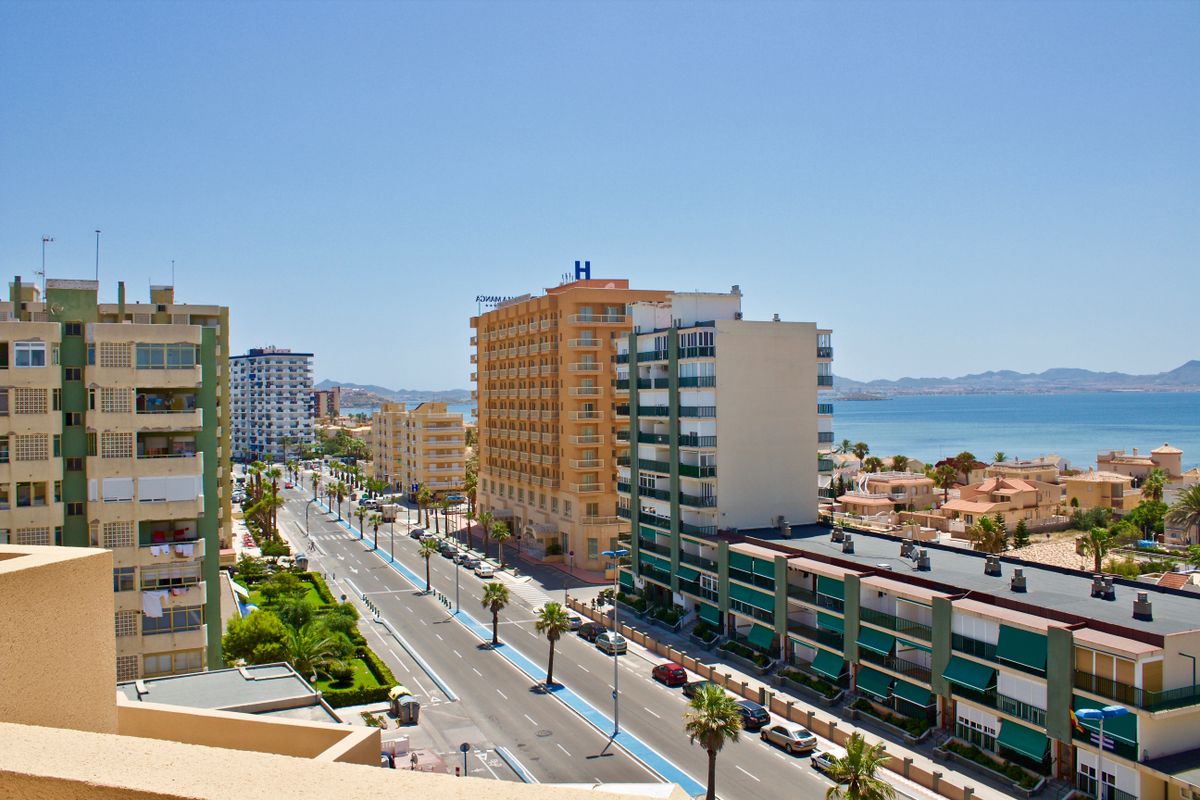
La Manga del Mar Menor
- Studio / one-bedroom apartment: €80,000–€125,000
- Two-bedroom apartment: €115,000–€190,000
- Three-bedroom or penthouse: €165,000–€270,000
- La Manga Club Resort apartments: €210,000–€360,000
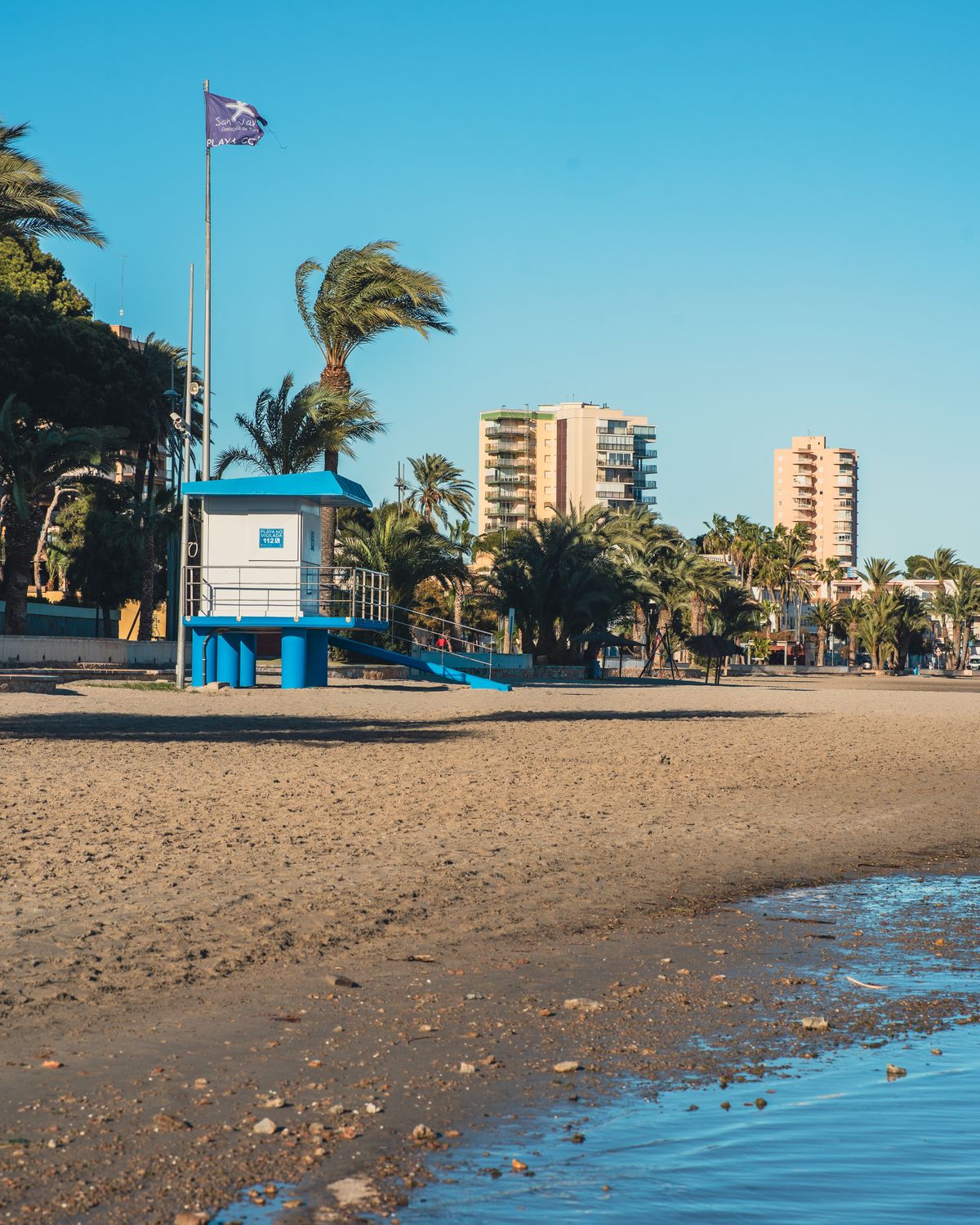
Mar Menor Shoreline (Los Alcázares, Santiago de la Ribera, Lo Pagán)
- Two-bedroom apartment: €105,000–€175,000
- Townhouse / bungalow: €140,000–€230,000
- Detached villa with pool: €195,000–€340,000
Puerto de Mazarrón
- Two-bedroom apartment: €88,000–€155,000
- Townhouse: €125,000–€210,000
- Detached villa with pool: €175,000–€300,000
Águilas
- Two-bedroom apartment: €75,000–€140,000
- Townhouse: €115,000–€180,000
- Detached villa: €145,000–€260,000
Inland Golf Belt (Torre Pacheco, Roda Golf, Hacienda del Álamo)
- Two-bedroom apartment at golf resort: €95,000–€165,000
- Townhouse at golf resort: €155,000–€235,000
- Detached villa with pool: €200,000–€370,000
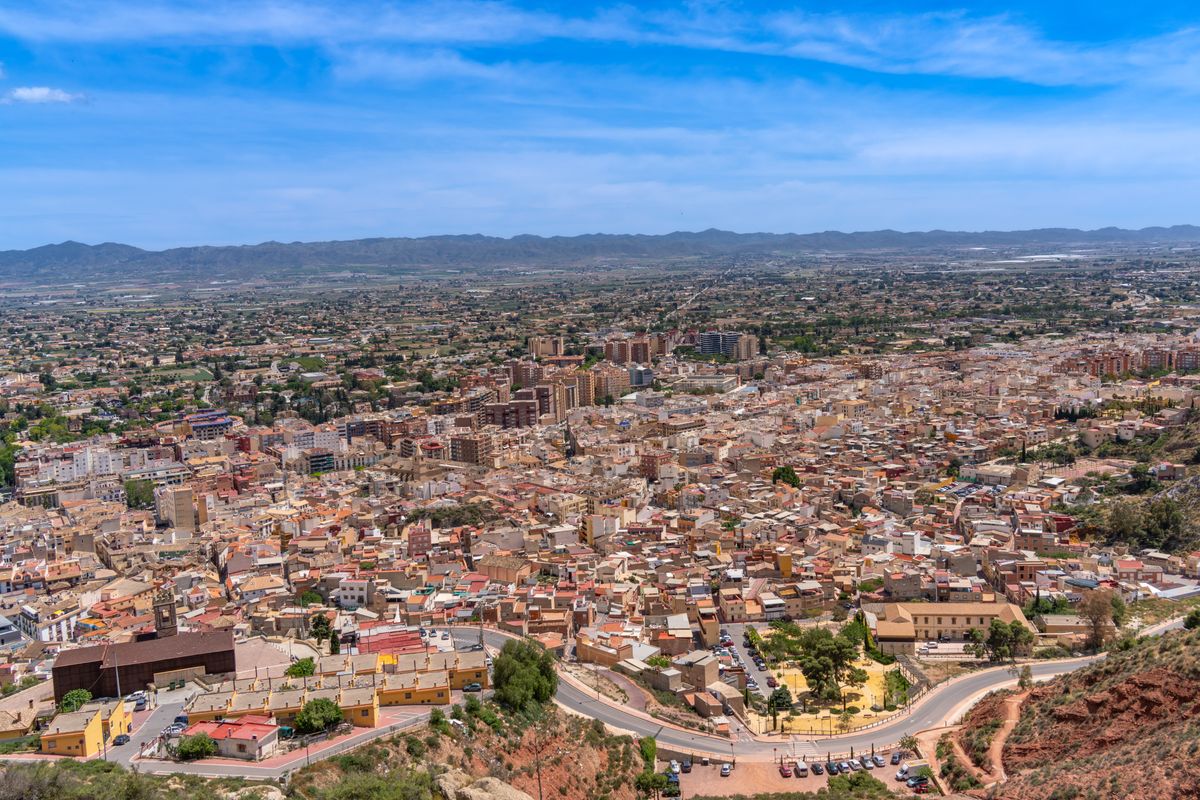
Cartagena City
- Two-bedroom city centre apartment: €95,000–€175,000
- Renovated older apartment in historic areas: €130,000–€210,000
What's Driving UK Buyer Demand Post-Brexit
The Brexit period (2021–2023) was genuinely disruptive to UK buying in Spain. The loss of EU freedom of movement, combined with the 90-day rule limiting time in the Schengen Area to 90 days in any 180-day period, changed the calculus for many buyers. Properties purchased as potential relocation vehicles became holiday properties with a hard constraint on usage.
Murcia's market dipped alongside the broader UK buyer retreat from Spain in 2021–2022. The recovery since 2023 reflects several things:
Acceptance of the 90-day reality. Buyers have recalibrated. Holiday properties were always the dominant use case; the 90-day rule hasn't changed that materially for buyers who were honest about how they'd use a Spanish property. The buyers who paused because of Brexit anxiety and then realised it didn't materially change their holiday use case have largely re-entered the market.
Exchange rate dynamics. Sterling has been relatively stable against the euro in 2025–2026 after the volatility of 2022–2023. Buyers who were watching and waiting for a better rate have found a window that feels manageable.
Value narrative. The consistent communication that Murcia is 20–35% cheaper than the Costa Blanca — with the same sun and sea — has penetrated. Buyers who can't afford what they want in Alicante Province are discovering Murcia as a genuine alternative rather than a consolation prize.
Digital nomad and remote work patterns. The 90-day rule creates a constraint but also a rhythm: 90 days in Spain, 90+ days elsewhere, rotating in a pattern that suits remote workers. Murcia's lower cost base makes it attractive for this cohort versus more expensive Spanish alternatives.
The Infrastructure Catalysts Worth Tracking
Two infrastructure developments stand out as genuine market catalysts for Murcia. Neither is imminent, but both are credible and their realisation would materially improve Murcia's competitive position.
Murcia International Airport: Route Network Growth
The former Corvera airport — rebranded Murcia International Airport — replaced the problematic San Javier airport in 2019. The route network has been building steadily. Current direct UK routes include London Stansted, Luton, Manchester, and Birmingham. Dublin has services via Ryanair.
The route network is materially smaller than Alicante (which handles 20M+ passengers/year versus Murcia's ~1.5M). Closing that gap is the key infrastructure factor for Murcia's property market. Every new direct route opens access for a new catchment of UK buyers and short-term renters.
Route additions typically follow demand signals from property development and existing tourism. The positive loop — more buyers, more demand for flights, more routes, more buyers — is beginning to turn. Watch the summer schedule announcements for route additions. Each new city connection is a direct stimulus to property demand in the catchment.
AVE High-Speed Rail to Madrid
The most significant infrastructure project for Murcia is the AVE high-speed rail connection to Madrid. Currently, Murcia city is one of the largest cities in Spain without a high-speed rail link — an anomaly that has hampered the region's economic development and connectivity.
The extension of the high-speed network to Murcia — via the Lorca–Almería–Cartagena corridor — has been planned, delayed, re-planned, and delayed again over the past decade. As of 2026, work is proceeding on sections of the line. Realistic completion dates for a full high-speed Madrid–Murcia service are now projected in the 2028–2031 range.
When (and if) this arrives, the impact would be significant. Madrid to Murcia in under 2 hours would make Murcia city and Cartagena viable as weekend destinations for Madrid's large and relatively wealthy population, driving demand for both short-stay rental properties and second homes. The effect on Cartagena property in particular could be substantial — it's the most credible recipient of the Málaga city effect if the connectivity arrives.
Treating this as a certain catalyst would be premature given the history of delays. Treating it as a zero probability is also wrong — the infrastructure is being built, the commitment is there, and the economic logic is sound. Buyers with a 5–10-year horizon should factor this as a plausible but not guaranteed upside.
The Risks: What Could Disappoint
Honest market analysis requires naming the downside risks, not just the catalysts.
Mar Menor Environmental Risk
The Mar Menor lagoon is the defining natural asset of the Murcia coast. It's also vulnerable. The 2019–2021 algae blooms were severe — caused by agricultural nitrate runoff — and caused real damage to property demand and rental income in the surrounding towns. Recovery since 2021 has been significant and ongoing, with water quality improvements documented by Spain's Ministry for Ecological Transition.
The risk hasn't gone away. The agricultural activity generating the nitrate runoff continues. The EU and Spanish legal protections for the lagoon (including its status as a legal person since 2022) provide a stronger framework than existed before, and regional enforcement of agricultural discharge limits has tightened. But the ecosystem remains under pressure, and a severe return of the algae bloom conditions would hit property values in La Manga and the Mar Menor towns materially.
Buyers who are specifically drawn to the lagoon — and are buying at a premium for proximity to it — should monitor the water quality data at miteco.gob.es and understand this as an ongoing variable rather than a resolved issue.
Overdevelopment in Specific Areas
The golf resort belt and some coastal urbanisations are adding new supply at rates that could soften specific micro-markets. If new phases at Roda Golf, Hacienda del Álamo, and similar developments complete simultaneously into a slower market, resale prices in those specific resorts could face headwinds.
This is not a region-wide concern — Murcia overall remains undersupplied relative to demand — but specific resort communities with large new-build pipelines are worth tracking. The established towns (Los Alcázares, Santiago de la Ribera, Mazarrón town) are less exposed to this risk than purpose-built resort communities.
Sterling Volatility
UK buyers buying in euros are exposed to exchange rate risk from contract signing through to completion — and on an ongoing basis for mortgage payments, maintenance costs, and tax obligations denominated in euros. Sterling has been stable-ish in 2025–2026, but the structural factors that drove the 2022–2023 volatility haven't disappeared.
Buyers should use currency forward contracts to fix exchange rates between reservation and completion on significant purchases. This is not financial advice — it's prudent risk management that your solicitor and a specialist currency broker can facilitate.
90-Day Rule Political Context
There are ongoing discussions within the EU and between the UK and Spain about the 90-day Schengen rule and potential modifications for property owners. Spain has shown interest in creating a more formal property-owner visa category. The Golden Visa programme (currently paused for property purchases in Spain following the 2024 government announcement) may see modifications.
Don't buy anticipating a regulatory change that hasn't happened. Buy on the basis of how you'd use the property under current rules. Any improvement to the access situation would be a bonus.
Realistic Price Outlook: 2026–2031
Here's a straightforward scenario set for Murcia property prices over the next five years:
Base case (most likely): Annual appreciation of 3–5% across the region. Coastal towns with strong rental demand (La Manga, Mar Menor shoreline) at the top of that range. Inland golf resorts and less-established areas at the lower end. Cartagena city potentially outperforming at 6–8% if urban regeneration continues.
Upside case (requires catalysts): AVE high-speed rail connects on schedule (2029–2030), Murcia Airport adds 5+ new UK routes, Mar Menor continues its environmental recovery, and UK buyer demand remains strong on sterling stability. In this scenario, 6–8% annual appreciation in coastal areas and 8–12% in Cartagena are plausible.
Downside case (requires adverse events): A severe return of Mar Menor ecological problems, significant sterling depreciation (more than 15–20%), or a broader Spanish property market correction driven by interest rate movements or economic shock. Annual appreciation of 0–2% or modest price falls in the most affected areas.
The base case is the most credible. Murcia's fundamentals — price discount to comparable markets, improving infrastructure, strong domestic and international demand — support continued moderate appreciation. The upside catalysts are real but not guaranteed. The downside risks are real but not the central scenario.
What This Means for Buyers in 2026
The market analysis points in one direction: Murcia is not a market where you're buying at the peak. The price gap to the rest of Spain's costas remains significant. Infrastructure is improving, not deteriorating. Buyer demand is growing, not shrinking.
For buyers who've been watching and waiting, the case for acting in 2026 is stronger than the case for deferring further. The discount exists but is narrowing. The route network is growing but isn't yet where it will be in three years. The early-mover window that existed in 2020 is narrower now — but it hasn't closed.
The areas where the strongest value-versus-opportunity balance exists right now:
Cartagena — lowest entry prices, highest near-term appreciation potential, most compelling urban regeneration story.
Águilas — lowest coastal prices, extraordinary natural environment, thin but real early-mover opportunity.
Established Mar Menor towns — the sweet spot between value and infrastructure, with improving rental demand and proximity to the lagoon.
For market context across the wider Costa Cálida region, and for understanding which area fits your specific buying profile, start with the broader Murcia guide and narrow from there.
---
*Price data sourced from regional notary records, Spanish property portal aggregates, and agent transaction data as of Q2 2026. Forward-looking statements are editorial opinion, not financial forecasts. Property markets can fall as well as rise. This guide is for informational purposes and does not constitute legal or financial advice.*
---
Ready to explore Murcia property? Search current listings across the region by area, budget, and property type — or use our buyer's guide to understand the buying process before you start.
Ready to find your property in Spain?
Browse thousands of verified listings from licensed local agents.
Browse properties →