Here's a conversation we have repeatedly with buyers considering Murcia property: they arrive describing a holiday home, and by the end of the conversation they're talking about moving. Or the reverse — they arrive with a firm relocation plan and leave wondering whether they'll actually use it enough.
The holiday home vs permanent residence question is the single biggest decision shaper in the Murcia market, and most buyers don't think it through carefully enough before committing to a specific town or property type. The consequences of getting it wrong are significant — not just practically but financially.
This guide is about making the right call before you buy, not after.
The Split That Defines Everything
Your intended use of a Murcia property determines:
- Which towns are realistic candidates
- What property type makes sense
- Whether rental income is part of the model (and how much)
- What your ongoing costs look like
- What happens in November to March
The problem is that buyers frequently describe their intention one way and actually need the other.
The Drift: How Buyers Change Their Minds
The most common pattern in the Murcia market: a UK couple buys a two-bedroom apartment as a holiday home. They start using it for Easter, summer, and maybe October. By year three, one of them is semi-retired. By year five they're spending six months a year there. By year seven they're living there full-time and the apartment they bought for holiday use is either the wrong size or in the wrong town.
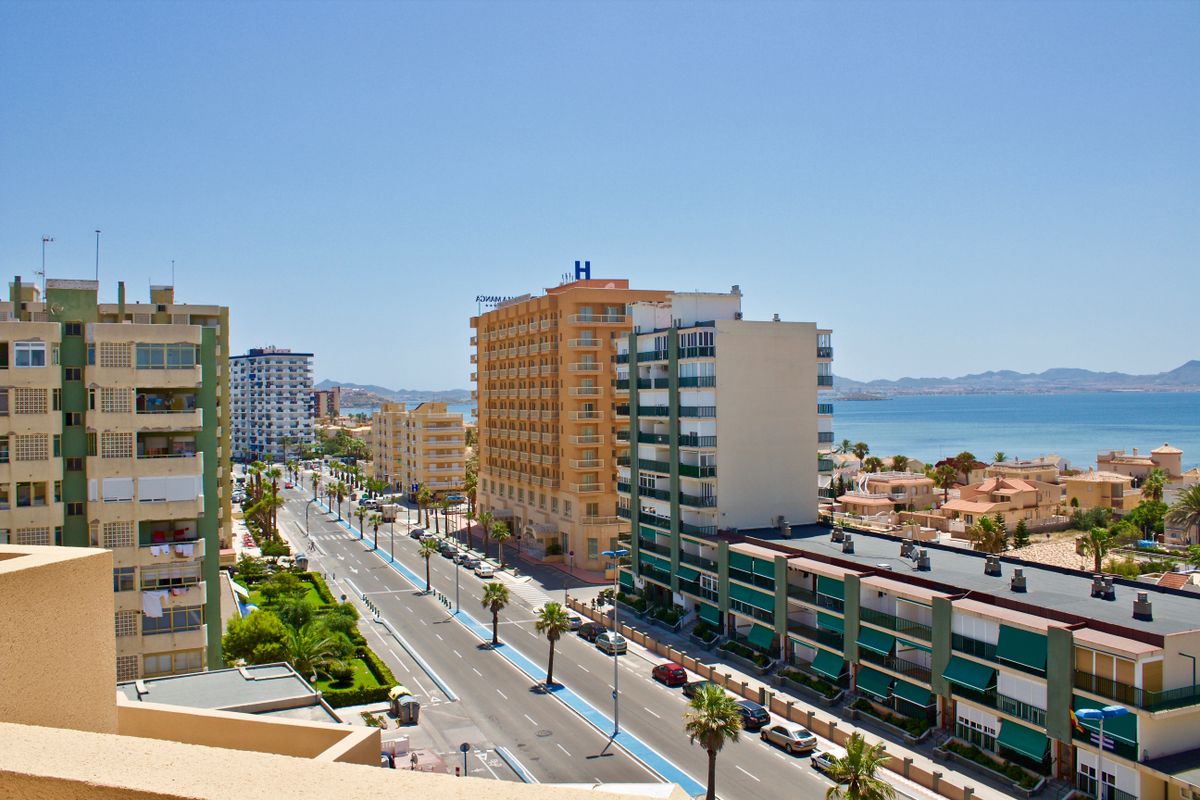
The opposite drift also happens. Buyers who relocate firmly, often having visited primarily in summer, arrive in January for their first full winter and discover that the strip where they bought their apartment is 60% shut. The beach bar is boarded up. The restaurant they loved has closed for three months. The neighbours they met in August are back in the UK. This is particularly acute in La Manga and some of the smaller coastal villages along the Costa Cálida.
Neither drift is disastrous, but buying for the wrong use case costs money when you correct it.
What Changes in January
Murcia winters are mild. January average temperatures of 13–16°C, frequent sunny days, clear nights. This is not the grey-and-cold problem of northern Spain. People do cycle the Mar Menor path in January. The lagoon is swimmable in a wetsuit. It's not summer, but it's not unpleasant.
What does change is this:
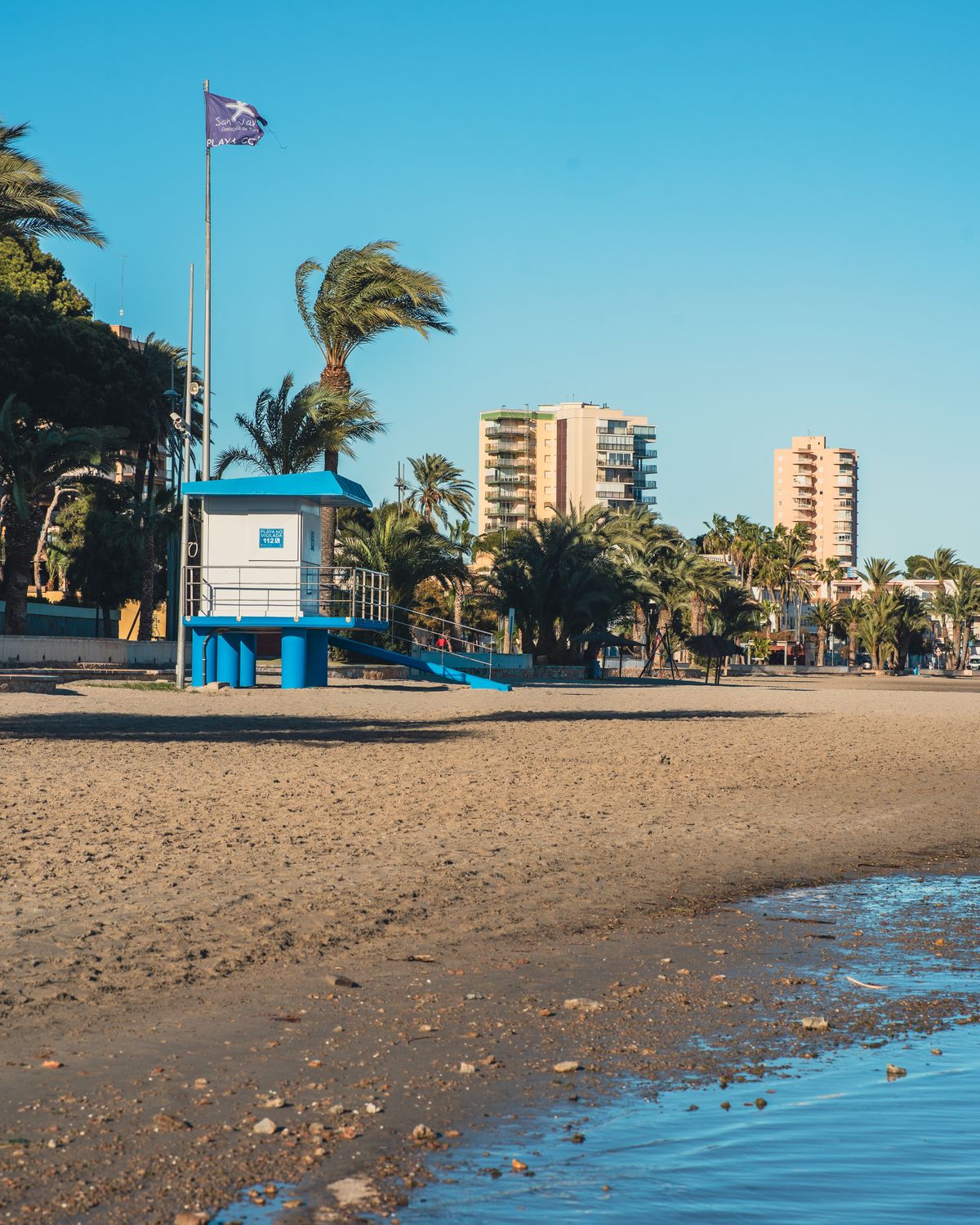
Resort infrastructure. Beach bars and summer-season restaurants close from October or November and don't reopen until Easter or May. In pure resort areas — stretches of La Manga strip, Águilas coast villages — this is comprehensive. Cafés close at 3pm instead of 11pm. The promenade empties.
Neighbour density. Many properties in holiday-focused zones are empty from September to June. If your block in La Manga has 100 apartments and 80% are holiday homes, you may spend winter with a handful of neighbours. This is either peaceful or lonely depending on your character.
Service availability. In San Pedro del Pinatar, Los Alcázares, San Javier, and Cartagena — year-round towns with real permanent populations — this doesn't apply. The supermarkets are open, the local restaurants trade year-round, the hairdresser is there in February. But in purely seasonal resorts, you will genuinely find reduced services.
Expat social life. Much of the expat community in the Mar Menor towns winters in Spain — but some return to the UK for several months. The social calendar thins. The clubs and activities still run, but with lower attendance.
This is a concrete reality that a summer viewing trip won't reveal. If you're considering living in Murcia year-round, visit in January or February and spend at least a week in your target area. What you see will tell you whether it works for you.
Towns That Work Year-Round
These are the places where year-round living is genuinely viable — infrastructure stays open, permanent population remains present, and life doesn't shut down after the summer.
Los Alcázares
One of the best year-round communities on the Mar Menor. Large enough to sustain year-round services, with an established British expat community that largely stays through winter, good supermarkets, restaurants that trade year-round, and a promenade that remains active. The lagoon frontage is superb. Prices are reasonable. Our Los Alcázares guide covers the full picture.
San Pedro del Pinatar and Lo Pagán
Another strong year-round option. Real Spanish town with real Spanish services, a marina community, the mud bath therapeutic tradition that draws year-round visitors. Lo Pagán has a permanent expat presence that doesn't all leave in September. More Spanish in character than Los Alcázares — less expat infrastructure but more authentic.
San Javier
Year-round municipality with hospital, schools, full commercial services. The town itself never seasonally closes. Santiago de la Ribera quietens somewhat but doesn't become a ghost town. Strong practical infrastructure for year-round residents. See our San Javier guide.
Cartagena
Spain's most underrated city. Year-round urban life, Roman history, a port with regular activity, restaurants and culture that operate 52 weeks a year. If you want city life with easy beach access, Cartagena delivers. The trade-off is that it's not on the lagoon. See our Cartagena property guide.
Torre Pacheco / Roda Golf
Inland golf resort community that functions year-round — more in the way that a managed resort functions year-round, with resort amenities available but with a definite change in pace between peak and off-peak seasons.
Towns Where Summer Is the Point
These are excellent holiday home locations where the year-round living proposition is significantly weaker.
La Manga Strip (main section)
Summer: brilliant. Year-round: challenging. Many bars, restaurants, and services close from October. The strip quietens dramatically. Genuine year-round residents exist — but you're aware of being in a seasonal environment from November to April. Best suited to buyers who want a holiday destination or who will be in and out rather than resident continuously. Still has attractions for those in the know who travel off-season, but it requires realistic expectations.
Águilas and Smaller Coastal Villages
Beautiful. Genuinely Spanish. But Águilas, and particularly the smaller villages along the Águilas coast, have a seasonal character that's pronounced. If you're there in August, it buzzes. January is a different experience. Suited to buyers who specifically want Spanish summer immersion and either return to the UK in winter or are genuinely happy with a quieter rhythm.
Some Parts of Mazarrón
Puerto de Mazarrón is better year-round than La Manga but has seasonal fluctuation in its resort-facing areas. The permanent Spanish population provides a more stable winter base than pure holiday zones. See our Mazarrón property guide for detail.
Financial Implications: What You're Actually Deciding
The use-case decision has material financial consequences that are often underweighted.
Holiday Home Financial Model
A holiday home in a good summer rental location can generate significant income in July–August — €800–€1,200/week for a well-presented two-bedroom in a strong spot. But:
- You need a Vivienda Turística rental licence
- Platform fees (Airbnb, Booking.com) run 15–20%
- Management fees if you're not managing remotely: 20–25% on top
- Seasonal occupancy means your income is concentrated in 8–10 weeks
Year-Round Living Financial Model
Year-round residents typically don't generate holiday rental income (you're living there). But the financial picture changes in other ways:
- No UK rent or mortgage payments on a property you've vacated (significant saving)
- Lower Spanish cost of living (groceries, eating out, utilities vs UK)
- Healthcare costs shift — private insurance at €100–€150/month, or S1 access if you qualify
- Tax residency issues: spending more than 183 days/year in Spain makes you Spanish tax resident — this has implications for your worldwide income. Get advice from a tax professional before your stay pattern triggers Spanish residency
The Hybrid Buyer
Many buyers end up in a genuine hybrid — 4–6 months in Murcia, the rest in the UK. This is workable but has specific requirements:
- Property needs to function well as both a lock-and-leave and a comfortable living base
- If you rent when absent, the letting licence needs to be sorted
- If you don't rent, you're carrying costs year-round for a property you're using part-year
- Spanish tax obligations are at the non-resident end of the spectrum (IRNR) rather than full resident
Making the Call
Ask yourself honestly:
How many weeks per year will I use this property? Under 6 weeks: it's an investment asset dressed as a holiday home. 6–12 weeks: holiday home with rental income to cover costs. 12+ weeks: you're drifting toward extended stays. 6+ months: year-round living territory.
Am I buying where I want to be in January, not just August? Visit off-season before you commit.
What's my 5-year plan? If you think retirement is coming in the next few years, buy for the life you'll want then, not the weekends you can manage now.
Can my finances sustain the property without rental income? If not, build the rental model conservatively — don't bank on Airbnb projections to pay the mortgage.
The Murcia market rewards buyers who are honest with themselves about these questions before they commit. It's full of properties that are excellent holiday homes, and others that are excellent year-round residences. The two categories overlap but they're not the same.
---
*This guide is for informational purposes only. Tax and residency rules can change — always take independent professional advice before making decisions with financial and legal implications.*
---
Thinking through your Murcia property decision? Search available properties — or read our full Costa Cálida guide to understand the region before deciding where to focus.
Ready to find your property in Spain?
Browse thousands of verified listings from licensed local agents.
Browse properties →